Colorectal Cancer Treatment in Georgia | Expert Care at CurePoint Cancer Center

A colorectal cancer diagnosis can be life-changing, but with the right medical team and advanced treatment, patients can move forward with confidence and hope. At CurePoint Cancer Center, we provide comprehensive, compassionate colorectal cancer treatment in Georgia, combining modern technology with personalized care.

Our mission is to support patients through every stage of their journey — from diagnosis to treatment and recovery.

Understanding Colorectal Cancer

Colorectal cancer begins in the colon or rectum and often develops from precancerous polyps. When detected early, it is highly treatable. However, advanced cases require specialized care from experienced oncology professionals.

Common risk factors include:

  • Age 45 and older
  • Family history of colorectal cancer
  • Inflammatory bowel disease
  • Obesity and sedentary lifestyle
  • Smoking and alcohol use
  • Diet high in processed foods

Many patients in Georgia seek expert care once symptoms appear or after routine screenings reveal concerns.

Colorectal Cancer Symptoms in Georgia: Know the Warning Signs

Early detection saves lives. If you experience any of these colorectal cancer symptoms in Georgia, it’s important to consult a specialist promptly:

  • Changes in bowel habits
  • Blood in the stool
  • Abdominal pain or cramping
  • Unexplained weight loss
  • Fatigue or weakness
  • Feeling that the bowel doesn’t empty fully

At CurePoint Cancer Center, we emphasize early evaluation to improve treatment outcomes.

Why Choose CurePoint for Colorectal Cancer Treatment in Georgia?

CurePoint Cancer Center is a trusted provider of advanced colorectal cancer treatment in Georgia, offering:

  • Board-certified oncologists
  • Modern radiation therapy technology
  • Personalized treatment plans
  • Patient-centered care
  • Compassionate support services

We focus on treating the whole person, not just the disease.

Your Colorectal Cancer Specialist in Georgia

Every patient at CurePoint benefits from a team of dedicated colorectal cancer specialists in Georgia who collaborate to deliver coordinated, effective care.

Your care team may include:

  • Medical oncologists
  • Radiation oncologists
  • Oncology nurses
  • Supportive care professionals

This multidisciplinary approach ensures that each aspect of your treatment is managed with precision and compassion.

Colorectal Cancer Treatment Options

Your treatment plan is tailored to your specific diagnosis, cancer stage, and overall health.

1. Radiation Therapy

Colorectal cancer radiation therapy in Georgia is often used to shrink tumors, reduce symptoms, and improve surgical outcomes.

2. Chemotherapy

Chemotherapy targets cancer cells throughout the body and may be used before or after surgery.

3. Targeted Therapy

These treatments focus on specific cancer markers, helping minimize side effects while maximizing effectiveness.

4. Supportive Care

Pain management, nutrition counseling, and wellness support help patients maintain strength during treatment.

Best Colorectal Cancer Care Near Me in Georgia

Patients often search for the best colorectal cancer care near me in Georgia to ensure easy access to high-quality treatment.

CurePoint Cancer Center offers:

  • Convenient Georgia locations
  • Flexible appointment scheduling
  • Patient navigation services
  • A welcoming, supportive environment

Our goal is to make expert cancer care accessible and stress-free.

A Patient-Focused Care Philosophy

At CurePoint, we believe cancer care should be compassionate, clear, and empowering.

We prioritize:

  • Open communication
  • Education about treatment options
  • Emotional support
  • Respect for patient choices
  • Long-term wellness

This approach reflects our commitment to excellence and patient trust.

The Importance of Screening & Early Detection

Routine screenings, such as colonoscopies, can detect colorectal cancer early — even before symptoms appear.

According to the American Cancer Society, regular screening significantly reduces colorectal cancer mortality:
👉 https://www.cancer.org/cancer/types/colon-rectal-cancer.html

Early detection allows for more effective, less invasive treatment.

Life After Colorectal Cancer Treatment

Recovery continues after treatment ends. CurePoint supports survivors with:

  • Follow-up care
  • Nutrition guidance
  • Wellness programs
  • Ongoing health monitoring

Our goal is to help patients return to full, healthy lives with confidence.

Schedule Your Consultation Today

If you or a loved one needs colorectal cancer treatment in Georgia, CurePoint Cancer Center is here to help.

Our expert team is ready to guide you with compassion, experience, and advanced care.

It includes radiation, chemotherapy, and supportive care provided by expert oncology centers like CurePoint.

CurePoint Cancer Center offers experienced, board-certified oncology specialists.

Blood in stool, bowel changes, abdominal pain, fatigue, and unexplained weight loss.

CurePoint Cancer Center provides accessible, high-quality care across Georgia.

Yes, colorectal cancer radiation therapy in Georgia is an effective treatment option.

Treatment length varies based on cancer stage and therapy type.

Early-stage colorectal cancer is highly treatable with modern care.

Yes, each patient receives a customized care plan.

Yes, regular screenings help detect cancer early.

Visit CurePointCancer.com or contact their care team directly.

Head and Neck Cancer Treatment in

Head and Neck Cancer Treatment in Georgia | Expert Care at CurePoint Cancer Center

A diagnosis of cancer of the head and neck may be terrifying, yet with the assistance, skills, and knowledge, it can be a formidable force. At CurePoint Cancer Center, we believe in providing in-evidence based and caring treatment of head and neck cancer in Georgia, based on evidence and providing individualized care.

The multidisciplinary team is characterized by clinical excellence and individualized treatment planning, which help patients to bring in the best outcomes possible without affecting the quality of life.

Head and Neck Cancer Treatment in

Understanding Head and Neck Cancer

Head and neck cancer is a category of cancer that occurs in the mouth, throat, voice box, nasal cavity, sinuses and salivary glands. These cancers usually impact on the vital areas of speaking, swallowing and breathing and therefore proper diagnosis and special treatment is paramount.

Common risk factors include:

  • Tobacco and alcohol use
  • HPV (human papillomavirus) infection.
  • Excessive exposure to the sun (in case of lip cancer).
  • Poor oral hygiene
  • Occupational exposures

Most of the patients in Georgia are those who demand immediate treatment when the symptoms start to disrupt their daily life.

Head and Neck Cancer Symptoms in Georgia: When to Seek Care

Recognizing early warning signs can improve treatment success. If you or a loved one experiences any of the following head and neck cancer symptoms in Georgia, it’s important to consult a specialist:

  • Persistent sore throat
  • Difficulty swallowing
  • Voice changes or hoarseness
  • Mouth sores that don’t heal
  • Lumps in the neck or jaw
  • Ear pain
  • Unexplained weight loss

At CurePoint Cancer Center, we encourage early evaluation so treatment can begin as soon as possible.

Why Choose CurePoint for Head and Neck Cancer Treatment in Georgia?

CurePoint Cancer Center is a reputable provider of quality cancer care in Georgia, which provides:

  • Board-certified radiation and oncologists.
  • New radiation technology.
  • Individualized care plans.
  • Caring patient care services.
  • Easy access to specialized treatment.

We aim to provide both professionally advanced and emotionally supportive treatment of head and neck cancer in Georgia.

We know that the cancer process of each patient is a personal experience, and that is why we personalize the treatment with references to tumor type, stage, general health, and individual targets.

Your Head and Neck Cancer Specialist in Georgia

Our experienced physicians serve as dedicated head and neck cancer specialists in Georgia, working collaboratively to ensure seamless care.

Each patient benefits from a multidisciplinary team that may include:

  • Medical oncologists
  • Radiation oncologists
  • Surgeons
  • Oncology nurses
  • Support care professionals

This team-based approach ensures that all aspects of your treatment and recovery are addressed under one coordinated plan.

Treatment Options for Head and Neck Cancer

Modern cancer care offers multiple effective treatment strategies. At CurePoint, your plan may include one or more of the following:

1. Radiation Therapy

Head and neck cancer radiation therapy in Georgia is often used to destroy cancer cells while preserving healthy tissue. Advanced techniques such as IMRT (Intensity-Modulated Radiation Therapy) help reduce side effects.

2. Chemotherapy

Medications are used to target cancer cells systemically, often combined with radiation for stronger effectiveness.

3. Targeted Therapy

These treatments focus on specific cancer cell characteristics, minimizing harm to normal cells.

4. Supportive Care

Nutrition counseling, pain management, and speech therapy help improve comfort and recovery.

Our specialists carefully guide patients through each stage of treatment with clear communication and ongoing support.

Best Head and Neck Cancer Care Near Me in Georgia

Many patients search for the best head and neck cancer care near me in Georgia because proximity and accessibility matter during treatment.

CurePoint Cancer Center offers:

  • Convenient Georgia locations
  • Flexible appointment scheduling
  • Patient navigation services
  • Family-friendly care environments

We make it easier for patients to focus on healing without the added stress of long travel or complex logistics.

A Patient-First Approach to Cancer Care

At CurePoint, we believe exceptional care goes beyond medical treatment. Our approach emphasizes:

  • Clear education about your diagnosis
  • Honest discussions about treatment options
  • Emotional and psychological support
  • Respect for patient preferences
  • Compassionate communication

This commitment to patient-centered care reflects our dedication to long-term well-being, not just cancer control.

The Importance of Early Detection

Early diagnosis significantly improves outcomes for head and neck cancer. Regular dental visits, routine health screenings, and awareness of symptoms can help identify cancer sooner.

For reliable educational information, the National Cancer Institute provides detailed guidance on head and neck cancers:
👉 https://www.cancer.gov/types/head-and-neck

External resources like this support informed decision-making and reinforce evidence-based care.

Living Well During and After Treatment

The healing process does not conclude with the treatment. We provide survivorship care as a significant aspect of services of CurePoint.

Patients may receive:

  • Follow-up monitoring
  • Nutrition support
  • Swallowing treatment and speech therapy.
  • Wellness counseling
  • Long-term health guidance

We are aiming at ensuring all patients recover their strength, confidence and quality of life following treatment.

Schedule Your Consultation Today

If you or a loved one needs head and neck cancer treatment in Georgia, CurePoint Cancer Center is here to help.

Our team is ready to provide expert guidance, advanced treatment, and compassionate care — every step of the way.

FAQs – Head and Neck Cancer Treatment in Georgia

1. What is head and neck cancer treatment in Georgia?

It includes radiation, chemotherapy, targeted therapy, and supportive care provided by specialized oncology centers like CurePoint.

2. Who is the best head and neck cancer specialist in Georgia?

CurePoint Cancer Center offers board-certified specialists with extensive experience in treating head and neck cancers.

3. What are common head and neck cancer symptoms in Georgia?

Persistent sore throat, mouth sores, difficulty swallowing, neck lumps, and voice changes.

4. Where can I find the best head and neck cancer care near me in Georgia?

CurePoint Cancer Center provides accessible, high-quality cancer care across Georgia.

5. Is radiation therapy effective for head and neck cancer in Georgia?

Yes, head and neck cancer radiation therapy in Georgia is highly effective when delivered using advanced technology.

6. How long does treatment usually last?

Treatment length varies but often ranges from several weeks to a few months.

7. Is treatment painful?

Modern therapies focus on minimizing discomfort, and supportive care helps manage side effects.

8. Can head and neck cancer be cured?

Many patients achieve long-term remission, especially with early diagnosis and expert care.

9. Does CurePoint offer personalized treatment plans?

Yes, every patient receives a customized care plan based on their unique condition.

10. How do I book an appointment in Georgia?

You can schedule directly through CurePointCancer.com or contact their care team.


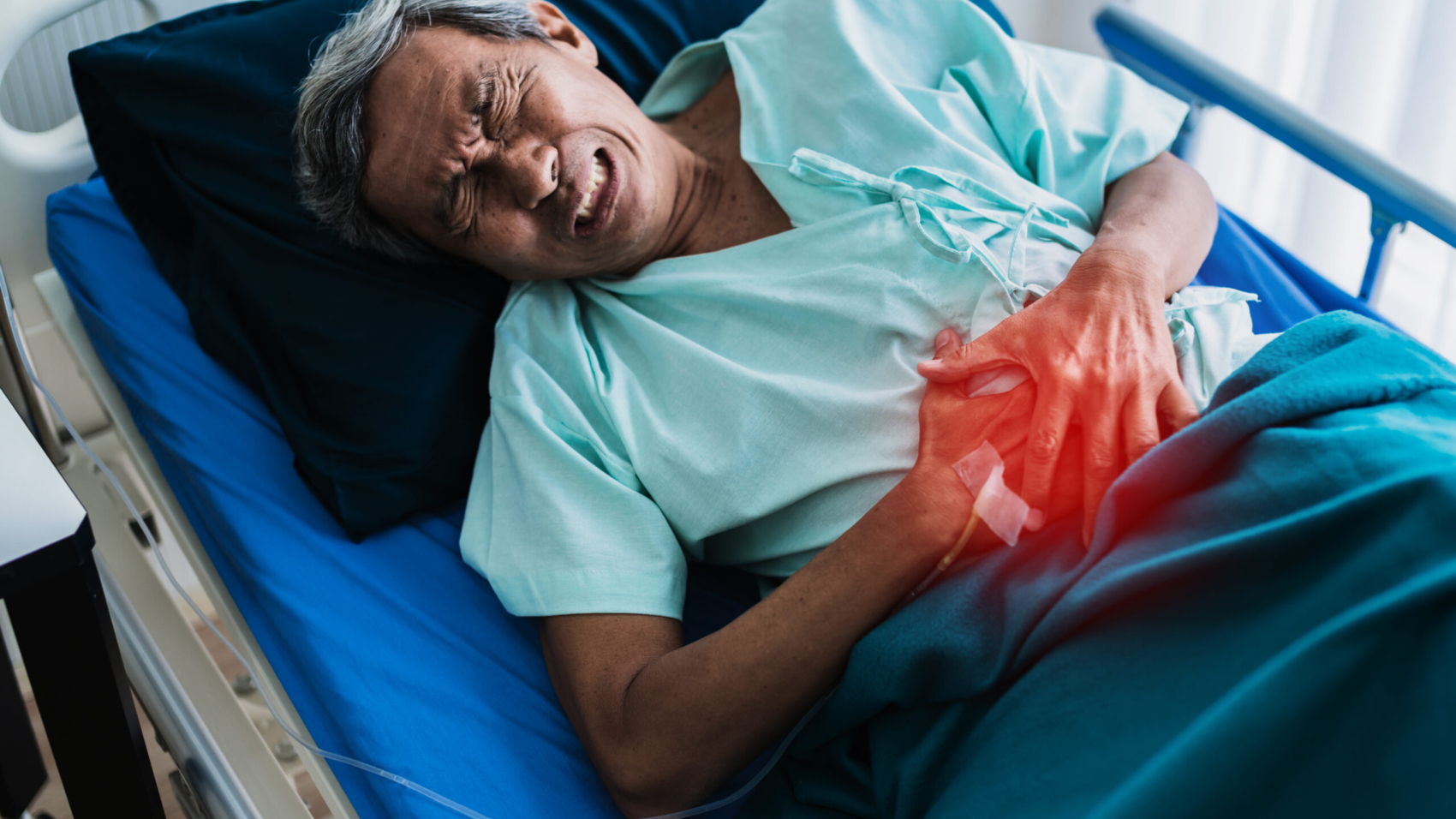
pain and stomache old senior asian grandfather in patient uniform suffer from body problem  health ideas concept

Bladder Cancer Treatment in Georgia

Introduction

Bladder cancer is one of the most commonly diagnosed urological cancers, affecting thousands of individuals every year. Early diagnosis and access to advanced medical care play a crucial role in improving survival rates and quality of life. Bladder Cancer Treatment in Georgia has advanced significantly in recent years, offering patients world-class diagnostic tools, innovative therapies, and compassionate cancer care. At Cure Point Cancer, patients receive comprehensive, personalized treatment plans designed to target bladder cancer effectively while preserving overall well-being.

Understanding Bladder Cancer

Bladder cancer begins in the cells of the bladder lining and can range from non-invasive tumors to aggressive, muscle-invasive disease. Common symptoms include blood in the urine, frequent urination, pain during urination, and pelvic discomfort. While these symptoms may be associated with other conditions, early medical evaluation is critical for accurate diagnosis.

With growing awareness and improved screening techniques, Bladder Cancer Treatment in Georgia emphasizes early detection, which significantly increases treatment success rates.

Why Choose Bladder Cancer Treatment in Georgia?

Georgia has become a recognized destination for high-quality oncology care. Patients benefit from experienced specialists, advanced hospitals, and access to cutting-edge treatment technologies. Bladder Cancer Treatment in Georgia combines medical excellence with patient-centered care, making it an ideal choice for both local and international patients.

At Cure Point Cancer, the focus is on delivering evidence-based cancer treatment while maintaining compassion, transparency, and support throughout the patient journey.

Advanced Diagnosis for Bladder Cancer

Accurate diagnosis is the foundation of effective cancer treatment. Bladder Cancer Treatment in Georgia includes comprehensive diagnostic services such as:

  • Urine cytology and laboratory tests
  • Cystoscopy for direct bladder examination
  • Imaging studies like CT scans and MRIs
  • Biopsy to confirm cancer type and stage

At Cure Point Cancer, multidisciplinary teams evaluate each case thoroughly to determine the cancer stage and the most appropriate treatment approach.

Personalized Bladder Cancer Treatment Options

Every bladder cancer case is unique. That is why Bladder Cancer Treatment in Georgia focuses on individualized treatment plans tailored to the patient’s cancer stage, overall health, and personal needs.

1. Non-Surgical Treatments

For early-stage bladder cancer, treatment may include intravesical therapy, where medication is delivered directly into the bladder. This approach helps destroy cancer cells while minimizing systemic side effects.

2. Surgical Treatment

Surgery is often recommended for more advanced cases. Bladder Cancer Treatment in Georgia includes minimally invasive surgical techniques as well as advanced reconstructive procedures when necessary. Surgeons at Cure Point Cancer are highly skilled in performing bladder-preserving surgeries whenever possible.

3. Chemotherapy

Chemotherapy may be used before surgery to shrink tumors or after surgery to eliminate remaining cancer cells. Georgia’s oncology centers use modern chemotherapy protocols that improve outcomes and reduce complications.

4. Radiation Therapy

Radiation therapy is another effective option, especially for patients who are not suitable candidates for surgery. Advanced radiation technologies ensure precise targeting of cancer cells while protecting healthy tissue.

5. Immunotherapy and Targeted Therapy

Innovative treatments such as immunotherapy have transformed Bladder Cancer Treatment in Georgia. These therapies help the body’s immune system recognize and attack cancer cells, offering hope for patients with advanced or recurrent bladder cancer.

Comprehensive Care at Cure Point Cancer

At Cure Point Cancer, bladder cancer treatment goes beyond medical procedures. The center provides a holistic approach that includes:

  • Multidisciplinary oncology teams
  • Personalized treatment planning
  • Pain management and symptom control
  • Nutritional counseling
  • Emotional and psychological support

Patients undergoing Bladder Cancer Treatment in Georgia at Cure Point Cancer benefit from coordinated care designed to support recovery and long-term health.

Post-Treatment Care and Follow-Up

Successful bladder cancer treatment does not end with therapy completion. Ongoing monitoring is essential to detect recurrence early. Bladder Cancer Treatment in Georgia includes structured follow-up plans with regular imaging, laboratory tests, and clinical evaluations.

At Cure Point Cancer, survivorship care focuses on restoring quality of life, managing side effects, and providing long-term support for cancer survivors.

Patient-Centered Approach

Choosing the right cancer treatment provider is a critical decision. Bladder Cancer Treatment in Georgia stands out due to its emphasis on patient education, clear communication, and compassionate care. Cure Point Cancer ensures that patients and their families are actively involved in treatment decisions, empowering them with knowledge and confidence.

Conclusion

Bladder cancer requires timely diagnosis, expert medical intervention, and ongoing support. With access to advanced technology, experienced specialists, and comprehensive care, Bladder Cancer Treatment in Georgia offers patients hope and effective solutions. Cure Point Cancer remains committed to delivering high-quality bladder cancer treatment that prioritizes patient safety, comfort, and long-term outcomes.

If you or a loved one is seeking trusted Bladder Cancer Treatment in Georgia, Cure Point Cancer provides the expertise, innovation, and compassionate care needed to navigate the cancer journey with confidence.

Comprehensive Gynecologic Cancer Treatment in Georgia: What Every Woman Should Know

Women should have the ability to apply their expertise, highly developed treatment, and care when it comes to a diagnosis as personal and life-changing as gynecologic cancer. At CurePoint Cancer, we are dedicated to delivering reliable and effective gynecologic cancer treatment Georgia women can trust. Our model is a combination of medical care and patient-centered care to provide women with the most optimal way of healing, hope, and long-term well-being

What Is Gynecologic Cancer?

Gynecologic cancer is defined as the cancer that originates within the female reproductive tract, i.e. the cervix, ovaries, uterus, vagina or the vulva. All these types act differently, that is why early diagnosis and specially designed treatment have so significant influence on results. To learn more about these cancers in general, you may visit the overview of gynecologic cancer that CDC provides here

The symptoms vary depending on the type of cancer but the most prevalent symptoms are abnormal bleeding, pain in the pelvis, bloating, discharge, or persistent bladder and bowel changes. The success of successful treatment is often dependent on its early realization.

Why Specialized Gynecologic Oncology Care Matters

Not every treatment of cancer is identical. In the case of cancer of female reproductive organs, one of the greatest advantages that the patients can get is the availability of experts who have specialized in gynecologic cancers. That is where gynecologic oncology Georgia specialists come in.

Since a gynecologic oncologist is trained to treat cancer and perform complex pelvic surgeries, the planning of the treatment and patient outcomes is more precise and better. In CurePoint Cancer, our multidisciplinary team works hand in hand to make sure that all women get personal treatment depending on their diagnosis, their stage, and their health in general.

Our coordinated care model includes:

  • Gynecologic oncologists
  • Medical oncologists
  • Radiation oncologists
  • Genetic counselors
  • Oncology nurses and support specialists

This collaborative approach ensures accuracy in diagnosis, treatment sequencing, and follow-up care.

Types of Gynecologic Cancer and Their Treatment

Various gynecologic cancer needs various treatment regimens. At CurePoint Cancer, we have customized therapies on the basis of cancer type and stage with a view that every patient is provided the best treatment possible and least invasive.

Cervical Cancer

Early detection through Pap tests and HPV screening has made cervical cancer highly treatable when caught early. Our cervical cancer treatment Georgia options include:

  • Minimally invasive surgery
  • Radiation therapy
  • Chemotherapy
  • Combined therapy for advanced stages

We are committed to preserving quality of life, tailoring treatment to each woman’s health needs and personal goals.

Ovarian Cancer

Known for subtle early symptoms, ovarian cancer is often discovered at later stages, making expert care essential. CurePoint Cancer provides advanced ovarian cancer care Georgia, including:

  • Surgical debulking by skilled surgeons
  • Chemotherapy
  • Targeted therapies for select patients
  • Ongoing surveillance and support

We focus heavily on early detection strategies for high-risk women, including genetic testing and routine monitoring.

Uterine and Endometrial Cancer

These cancers are frequently linked to hormonal factors and often present with abnormal bleeding. Treatment may include:

  • Surgery (including hysterectomy when needed)
  • Radiation
  • Hormone therapy
  • Chemotherapy for advanced disease

Our specialists work to preserve reproductive potential when clinically appropriate for younger women.

Signs and Symptoms Women Should Never Ignore

Women’s bodies can give early clues when something is wrong. Prompt evaluation is essential if any of the following symptoms persist:

  • Abnormal vaginal bleeding
  • Pelvic or abdominal pain
  • Persistent bloating
  • Pain during intercourse
  • Changes in urination or bowel movements
  • Unexplained fatigue or weight loss
  • Sores, itching, or changes to the vulva

While these symptoms don’t always signal cancer, early intervention can significantly improve outcomes. CurePoint Cancer encourages all women to prioritize routine exams and report any changes promptly.

Why CurePoint Cancer Is a Leader in Women’s Cancer Care in Georgia

As a trusted provider of women’s cancer care Georgia, CurePoint Cancer offers a unique blend of expertise, compassion, and advanced medical technology.

Our Commitment Includes:

1. Personalized Treatment Plans

Every woman receives a fully customized treatment plan designed after thorough evaluation and collaborative specialist review.

2. Precision Medicine & Modern Therapies

We use state-of-the-art diagnostic tools, targeted therapy options, and advanced radiation techniques to maximize effectiveness.

3. Compassionate Support Throughout Treatment

Cancer affects more than the body. Our nurses, counselors, and support teams provide emotional, educational, and recovery-focused care at every step.

4. Convenient Access to Care Across Georgia

With accessible treatment centers and flexible appointment scheduling, CurePoint Cancer ensures that high-quality care is available when and where women need it.

5. Continued Follow-Up & Long-Term Wellness Planning

Survivorship matters. We remain committed to life after cancer with routine monitoring, lifestyle guidance, and supportive aftercare.

Prevention, Early Detection & Your Health

Women can reduce their risk of gynecologic cancer by:

  • Keeping up with annual gynecologic exams
  • Getting Pap tests and HPV vaccination
  • Maintaining a healthy lifestyle
  • Managing weight, as obesity increases risk
  • Discussing family history and genetics with a specialist
  • Reporting symptoms early, especially unusual bleeding

At CurePoint Cancer, our mission is not only to treat cancer but also to educate and empower women to protect their health before cancer arises.

Take the Next Step Toward Expert Care

CurePoint Cancer is ready to help you or a loved one find information or even treatment of any type of cancer in the gynecology. Our team is committed to offering the most advanced and compassionate gynecologic cancer treatment Georgia has available.

You need diagnosis, second opinion or even a treatment plan, and we are ready to assist you to the full extent.

FAQs

1. Who offers the best gynecologic cancer treatment in Georgia?

CurePoint Cancer provides advanced gynecologic cancer treatment Georgia patients trust, with personalized plans and expert specialists.

2. Why is gynecologic oncology important?

Seeing a gynecologic oncology Georgia specialist ensures you get expert care tailored to cancers of the female reproductive system.

3. What women’s cancer care services are available in Georgia?

CurePoint Cancer offers full-spectrum women’s cancer care Georgia, including diagnosis, surgery, chemotherapy, and follow-up support.

4. What are the main treatments for cervical cancer?

Common cervical cancer treatment Georgia options include surgery, radiation, and chemotherapy, depending on the stage.

5. How is ovarian cancer treated in Georgia?

Ovarian cancer care Georgia typically involves early evaluation, surgery, and targeted therapies provided by specialized oncology teams.

Best Lung Cancer Treatment in Georgia: Why CurePoint Cancer Is a Trusted Choice

Lung cancer is still one of the most common types of cancer diagnosed across the globe, although since the very beginning of the disease people have been able to be cured earlier than ever before thanks to new medical technologies, patients have a better chance to survive and feel better. For those seeking lung cancer treatment Georgia, CurePoint Cancer has become a preferred choice because of its expert care team, modern technology, and patient-centered approach. Whether you are searching for Atlanta lung cancer specialists, exploring surgical options, or looking for the best lung cancer centre Georgia, CurePoint Cancer provides comprehensive care every step of the way.

Why Early Diagnosis Matters: CurePoint Cancer’s Approach

Early detection saves lives. At CurePoint Cancer, we emphasize the importance of an early lung cancer diagnosis Georgia patients can rely on. Through advanced screening tools such as low-dose CT scans and high-precision imaging, our specialists can identify lung cancer at its earliest and most treatable stages.

According to the American Cancer Society, early diagnosis significantly increases survival rates and expands treatment possibilities:
(External link: https://www.cancer.org/cancer/types/lung-cancer.html)

CurePoint Cancer ensures that every patient receives thorough evaluation and rapid diagnostic support, helping reduce delays and improving treatment outcomes.

Comprehensive Lung Cancer Treatment Georgia at CurePoint Cancer

Patients seeking lung cancer treatment Georgia often look for a centre that offers a full spectrum of therapies. CurePoint Cancer is one that incorporates clinical excellence, modern technology and personalized plans so as to provide the highest level of care.

The possible treatments that we have are:

  • Chemotherapy
  • Radiation treatment (with high-level targeted radiation)
  • Immunotherapy
  • Targeted therapy
  • Care provision and symptom control.

We develop personalized treatment plans based on the type of tumor, the stage, genetic, and general health. This practice guarantees accuracy of service to all patients.

Atlanta Lung Cancer Specialists at CurePoint Cancer

If you are searching for Atlanta lung cancer specialists, CurePoint Cancer offers access to a team of experienced oncologists, radiation specialists, and thoracic-care professionals who manage both early-stage and complex lung cancer cases.

Our professionals are known to:

  • Knowledge on the treatment of advanced lung cancers.
  • Involvement in clinical research.
  • Practice on contemporary therapies.
  • Interprofessional teamwork towards improved patient care.

By selecting CurePoint, one is selecting a team of professionals who are up-to-date with the developments in the world and bring them here in Georgia.

Lung Cancer Surgery Georgia Clinic Options: How CurePoint Supports Surgical Needs

While CurePoint Cancer specializes in non-surgical cancer management, we collaborate closely with some of the most reputable lung cancer surgery Georgia clinic partners in the region. The collaboration helps us to provide the best integrated care to each patient.

  • Our collaborative surgical teams deliver:
  • Minimally invasive surgery of the lung cancer.
  • Robotic-assisted procedures
  • Video-assisted thoracoscopic surgery (VATS).
  • High-level post-operation rehabilitation.

CurePoint manages the entire spectrum of treatment – diagnosis, surgery coordination, all-encompassing treatment, and long-term follow-up, so that patients do not feel abandoned in their cancer treatments.


Why CurePoint Cancer Is Considered a Best Lung Cancer Centre Georgia

Many patients and healthcare professionals consider CurePoint Cancer among the best lung cancer centre Georgia options because of our:

  1. Personalized Care Approach

We realize that the condition of each patient is individual and therefore, each treatment plan is individual.

  1. Advanced Technology

We have facilities that provide precise imaging, focused radiation and up to date immunotherapy.

  1. Highly Skilled Team

Our specialists and oncologists are the best in their specialties.

  1. Patient-centered services.

CurePoint offers nutrition counseling, pain management, emotional support and survivorship planning.

  1. Excellent Community Reputation.

The pursuit of high-quality care that is empathetic in nature has made CurePoint Cancer a reliable treatment centre in all of Georgia.

Innovations in Lung Cancer Treatment Georgia at CurePoint

The field of oncology is constantly evolving, and CurePoint Cancer remains at the forefront of offering innovative options for lung cancer treatment Georgia.

We integrate modern advancements such as:

  • Precision-based therapies guided by tumor genetics
  • Advanced radiation oncology techniques
  • Immunotherapy solutions that boost the body’s natural defenses
  • Ongoing monitoring and follow-up with modern imaging technology

Patients benefit from treatments that are not only effective but also designed to minimize side effects and promote faster recovery.

Life Beyond Treatment: CurePoint’s Survivorship Support

Recovering from lung cancer involves more than completing treatment. CurePoint Cancer offers comprehensive survivorship services, including:

  • Breathing and pulmonary rehabilitation
  • Stress and emotional support programs
  • Lifestyle and nutrition plans
  • Continued monitoring to reduce recurrence risks
  • Family support and counseling

Our goal is to help every survivor regain strength, confidence, and quality of life.


Frequently Asked Questions (FAQs)

1. Why should I choose CurePoint Cancer for lung cancer treatment in Georgia?

CurePoint offers advanced technology, experienced specialists, and personalized care, making it a trusted provider of lung cancer treatment Georgia.

2. Does CurePoint work with Atlanta lung cancer specialists?

Yes. CurePoint Cancer partners closely with Atlanta lung cancer specialists to ensure patients receive comprehensive and coordinated care.

3. Can CurePoint help me find a lung cancer surgery Georgia clinic?

Absolutely. While CurePoint focuses on oncology treatment, we collaborate with top lung cancer surgery Georgia clinic teams to manage all surgical needs.

4. Is CurePoint considered one of the best lung cancer centre Georgia?

Many patients and referring physicians consider CurePoint among the best lung cancer centre Georgia due to our care quality and supportive services.

5. How important is early lung cancer diagnosis Georgia for better outcomes?

An early lung cancer diagnosis Georgia–based evaluation dramatically improves survival chances, making early screening essential.


ConclusionCurePoint Cancer is dedicated to delivering exceptional lung cancer care across Georgia. Whether you need advanced therapies, supportive care, specialist guidance, or help coordinating surgery, CurePoint stands beside you at every stage. With access to Atlanta lung cancer specialists, partnerships with leading lung cancer surgery Georgia clinic teams, and recognition as one of the best lung cancer centre Georgia, CurePoint Cancer provides world-class treatment and compassionate support.

skin cancer treatment in Georgia

Skin Cancer Treatment in Georgia — Expert Care at Cure Point Cancer

Skin cancer is one of the most common cancers in the United States, and Georgia’s sunny climate means residents face higher lifetime exposure to ultraviolet (UV) radiation. The good news: skin cancer treatment in Georgia has advanced dramatically. At Cure Point Cancer, our multidisciplinary team delivers precise diagnostics, personalized treatment plans, and ongoing support so patients achieve the best possible outcomes.

What is skin cancer?

Skin cancer happens when skin cells grow abnormally and uncontrollably. There are three primary types:

  • Basal cell carcinoma (BCC): the most common, usually slow-growing and highly treatable when caught early.
  • Squamous cell carcinoma (SCC): can be more aggressive than BCC and may spread if untreated.
  • Melanoma: less common but the most dangerous; it can metastasize quickly if not identified early.

Early detection is the single biggest factor that improves prognosis for people seeking skin cancer treatment in Georgia, and Cure Point Cancer emphasizes regular screenings and patient education.

Why choose Cure Point Cancer for skin cancer treatment in Georgia?

When you search for trusted skin cancer treatment in Georgia, look for experience, technology, and a patient-first approach. Cure Point Cancer offers:

  • Board-certified oncologists and dermatologists who specialize in skin malignancies.
  • High-quality diagnostics including dermoscopy, skin biopsy, and digital imaging to stage cancer accurately.
  • Tailored treatment plans that match the cancer type, stage, patient health, and cosmetic concerns.
  • Mohs micrographic surgery expertise for facial and cosmetically sensitive areas to maximize tissue preservation and cure rates.
  • Access to advanced therapies such as targeted therapy and immunotherapy for melanomas and high-risk cancers.
  • Comprehensive follow-up care including reconstructive options, rehabilitation, and survivorship planning.

Our Georgia clinics combine medical expertise with compassionate care, ensuring patients receive both effective clinical treatment and emotional support.

Common skin cancer treatment options offered in Georgia

skin cancer treatment in Georgia

Cure Point Cancer uses a full range of evidence-based treatments for skin cancer in Georgia:

Surgical treatments

Surgery is often the first-line option. Procedures include excisional surgery to remove tumors and Mohs surgery, which examines tissue layers during the procedure to ensure complete removal while conserving healthy skin.

Radiation therapy

For tumors not suitable for surgery or for patients who are medically inoperable, radiation therapy offers a targeted approach to destroying cancer cells while preserving surrounding tissue.

Topical and systemic chemotherapy

Topical agents may be used for superficial skin cancers. Systemic chemotherapy is reserved for advanced disease; our team manages side effects and coordinates supportive care.

Immunotherapy

Immunotherapy harnesses the patient’s immune system to attack cancer cells and has transformed outcomes for advanced melanoma. Cure Point Cancer provides access to FDA-approved immunotherapies and clinical pathways for appropriate candidates.

Targeted therapy

Targeted drugs block specific genetic mutations found in certain melanomas. Genetic testing guides therapy selection to maximize response.

The Importance of Early Detection

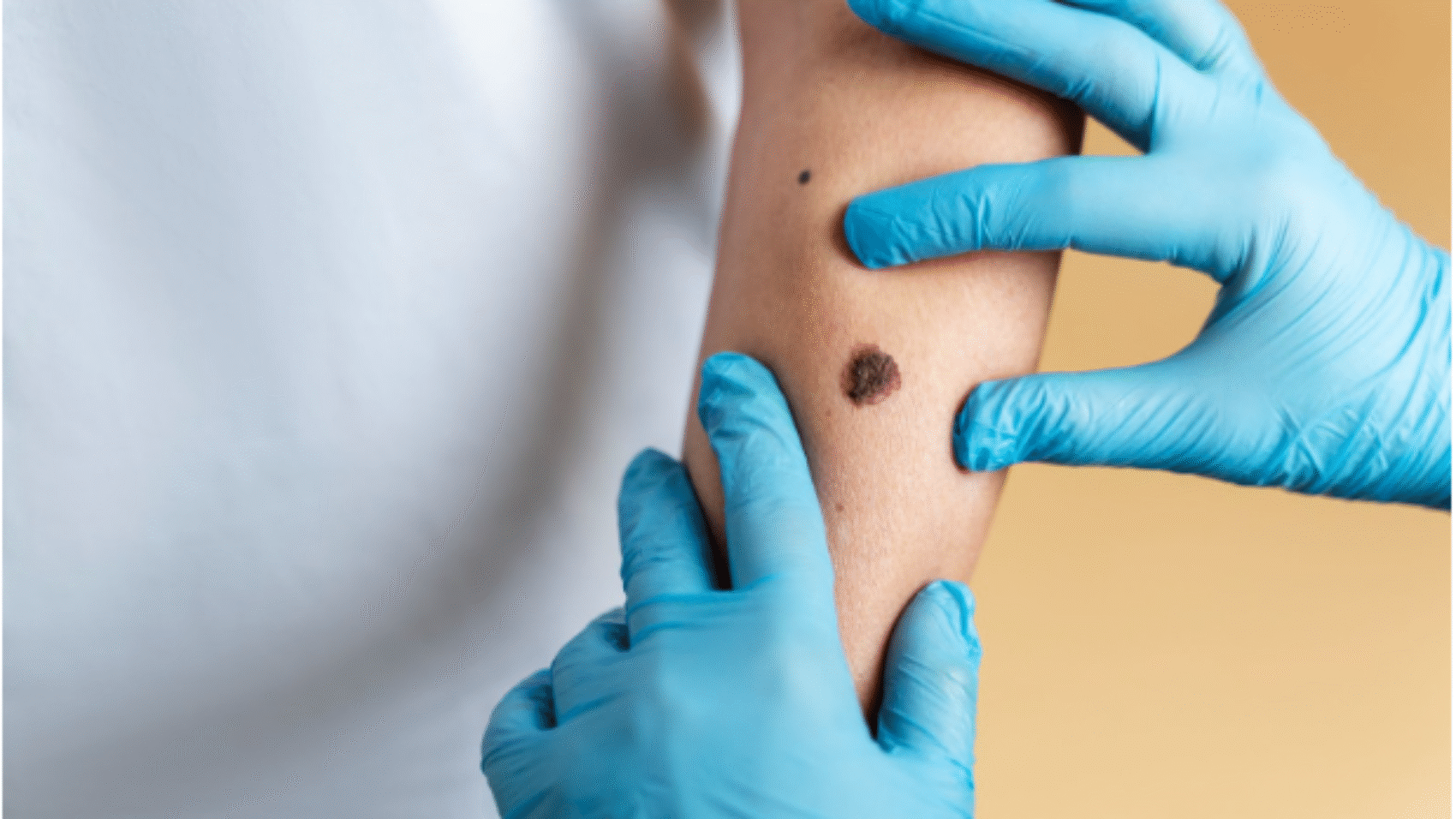
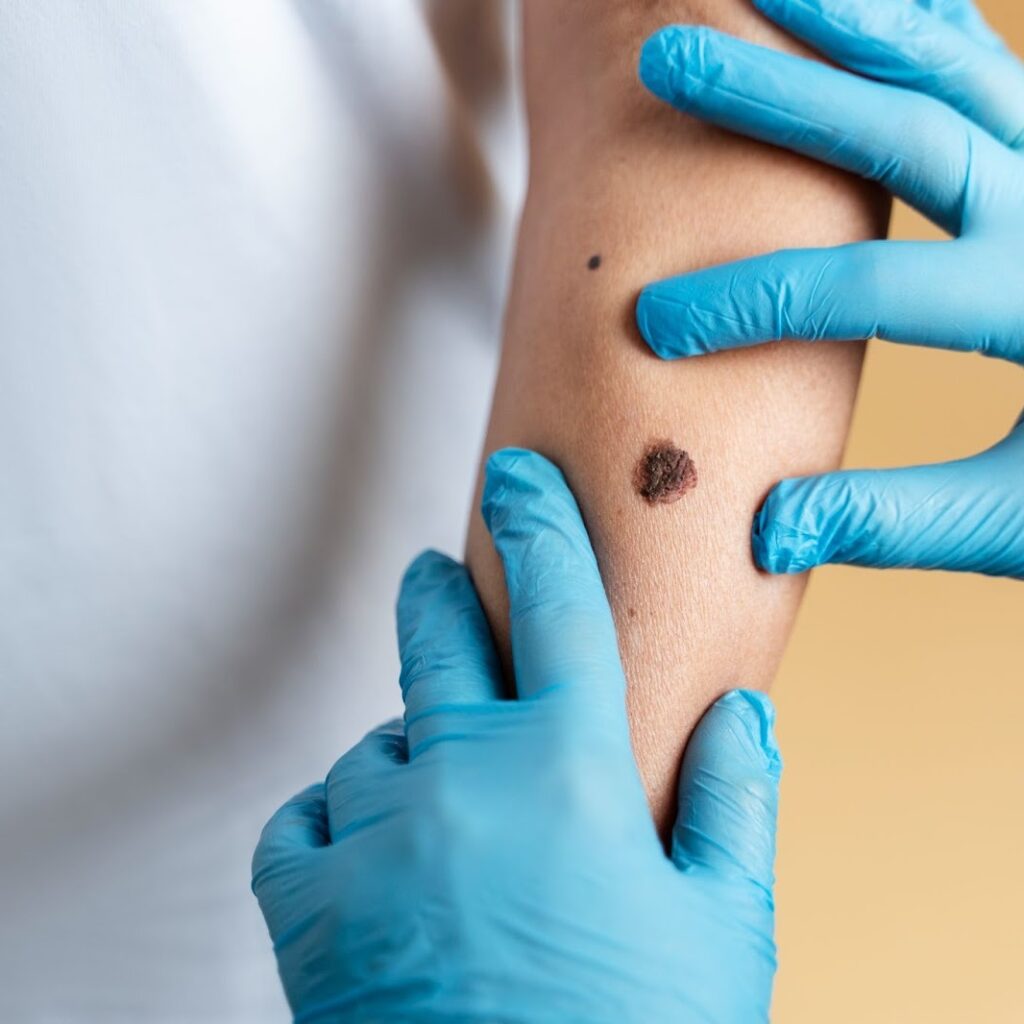
Regular self-checks and professional skin screenings save lives. Look for ABCDE signs of melanoma: Asymmetry, Border irregularity, Color variation, Diameter >6mm, and Evolving lesions. Any new, changing, bleeding, or non-healing lesion should prompt a dermatologist visit.

At Cure Point Cancer, our skin cancer screening process uses dermoscopy and, when indicated, biopsy to ensure accurate diagnosis and staging — this directly impacts the success of skin cancer treatment in Georgia.

Prevention and lifestyle tips for Georgia residents

Reducing UV exposure lowers skin cancer risk. Practical steps Cure Point Cancer recommends include:

  • Daily broad-spectrum sunscreen SPF 30+ and reapplication every two hours when outdoors.
  • Wearing wide-brim hats, sunglasses, and UV-protective clothing.
  • Avoiding tanning beds and peak sun hours (10 AM–4 PM).
  • Routine full-body skin checks once a year or more often if you have prior skin cancer or atypical moles.
  • Maintaining a skin-healthy lifestyle: balanced diet, limiting smoking, and managing immune-suppressing medications under medical supervision.

Prevention recommendations are simple but powerful tools for lowering risk and improving long-term outcomes after skin cancer treatment in Georgia.

Areas we serve across Georgia

Cure Point Cancer is committed to accessible, high-quality skin cancer treatment in Georgia across the state. Our care network serves patients in Atlanta, Savannah, Augusta, Columbus, Athens, Macon, and surrounding counties — offering local access to specialized oncology care and convenient follow-up services.

Patient-centered care and survivorship

Treatment doesn’t end when a tumor is removed. Cure Point Cancer focuses on survivorship: monitoring for recurrence, managing treatment side effects, offering reconstructive options, and supporting emotional and nutritional needs. Our team builds a long-term plan so survivors stay healthy and protected.

Take action — early consultation matters

If you or a loved one notices a suspicious mole, a sore that won’t heal, or a changing spot on the skin, don’t delay. Early diagnosis dramatically increases the likelihood of cure and often simplifies treatment. Contact Cure Point Cancer to schedule a skin cancer screening or consultation — our specialists are ready to guide you through diagnosis, treatment options, and recovery.


Frequently Asked Questions (FAQs)

Q: What is the most treatable form of skin cancer?
A: Basal cell carcinoma is the most common and, when detected early, is highly treatable with surgery or topical therapies.

Q: How quickly should I act if I suspect melanoma?
A: Seek evaluation immediately. Melanoma can progress rapidly; early biopsy and treatment greatly improve survival.

Q: Do you offer Mohs surgery in Georgia?
A: Yes. Cure Point Cancer provides Mohs micrographic surgery for cancers in cosmetically and functionally important areas.

Q: Is immunotherapy available for skin cancer patients?
A: Yes. Immunotherapy is a standard option for certain advanced melanomas and is offered at Cure Point Cancer when clinically appropriate.

Q: How can I schedule a screening?
A: Contact Cure Point Cancer via our website or call our clinic to book an appointment for a skin check and consultation.

Non-Small Cell vs Small Cell Lung Cancer: Differences & Therapies

Non-Small Cell vs Small Cell Lung Cancer: Differences & Therapies

lung cancer

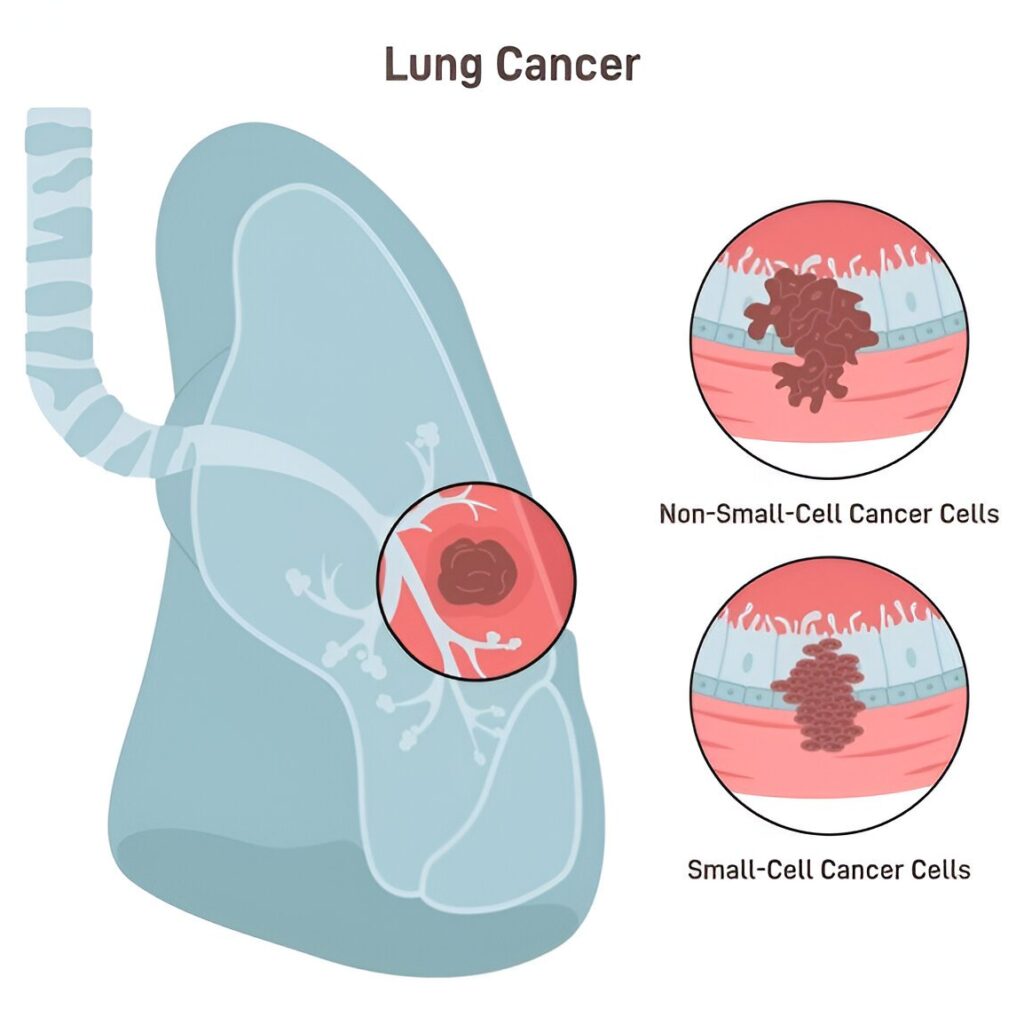
Non-small cell vs small cell lung cancer: Lung cancer is widely categorized into the following two major types: non-small cell lung cancer (NSCLC) and small cell lung cancer (SCLC). NSCLC constitutes an enormous majority of the disease cases,, between 80-85 percent and SCLC comprises about 10 to 15 percent. Such types vary in the appearance of cells, behavior, and therapy. The knowledge of these subtypes of lung cancer and their histology is paramount to making the appropriate choice of treatment.

NSCLC Overview: NSCLC itself has three main histologic subtypes:

  • Adenocarcinoma: arises in outer lung areas from glandular (epithelial) cells.
  • Squamous cell carcinoma: grows near the central airways (bronchi).
  • Large cell carcinoma: can occur anywhere in the lung and tends to grow/spread faster than the other NSCLCs.

Each NSCLC subtype looks different under the microscope, but all are generally larger, glandular epithelial cells. By contrast, SCLC tumors are made of small, round cells (often called “oat cell” carcinoma) that look very tiny under a microscope. Importantly, SCLC is strongly linked to cigarette smoking – nearly all cases occur in smokers – whereas NSCLC can also appear in non-smokers (especially adenocarcinoma).

Key Differences: Non-small cell vs small cell lung cancer

Non-small cell vs small cell lung cancer
  • Prevalence: NSCLC is far more common (≈80–85% of lung cancers). SCLC is less common (~10–15%).
  • Cell Size & Histology: NSCLC cells are larger and of varied types (adenocarcinoma, squamous, large cell). SCLC cells are small and densely packed, often described as “oat-like” under the microscope.
  • Growth Rate: NSCLC tends to grow and spread more slowly. SCLC is highly aggressive – it grows quickly and often spreads (metastasizes) early.
  • Smoking Link: Both types are linked to smoking, but SCLC is almost always caused by smoking, especially in heavy, long-term smokers.
  • Symptoms and Spread: NSCLC symptoms may develop gradually (cough, weight loss, etc.) and tumors often stay localized longer. SCLC symptoms appear rapidly (sometimes with paraneoplastic syndromes) and SCLC frequently spreads to lymph nodes, brain, bones, liver and other organs.
  • Subtypes and Histology: NSCLC subtypes (adeno, squamous, large-cell) are called “non-small cells” because their cells are bigger under histology. SCLC itself has two categories – “small cell carcinoma” and “combined small cell carcinoma” – based on cell appearance.

Overall, these differences mean NSCLC and SCLC are treated differently and have different prognoses.

Diagnosis and Histology: Non-small cell vs small cell lung cancer

Lung Cancer Treatment by CurePoint Cancer Center in Georgia

Lung cancer is diagnosed via imaging (X-ray, CT, PET) followed by biopsy. A pathologist examines tumor tissue under a microscope to identify the subtype. NSCLC and SCLC look very different histologically: as noted, NSCLC cells are larger and form distinct patterns (glandular or squamous layers), whereas SCLC cells are small, round, and often densely packed. Sometimes additional lab stains or molecular tests are done on the biopsy to confirm the diagnosis and look for gene changes (e.g. EGFR mutation) or proteins (like PD-L1). This “lung cancer profile” helps guide therapy choices.

Treating NSCLC: Multimodal Therapies

Treatment for NSCLC depends on stage (extent) and tumor subtype. Early-stage NSCLC (stages I–II) is often treated with surgery to remove the tumor. For example, only about 25% of NSCLC patients are diagnosed at stage I or II, and surgery (lobectomy or resection) is typically recommended in those cases. Surgery may be followed by adjuvant chemotherapy and/or radiation to lower recurrence risk. For stage III (locally advanced) NSCLC, a combination of chemotherapy and radiation (chemoradiation) is frequently used, sometimes followed by surgery.

In advanced NSCLC (stages IV), where cancer has spread, systemic therapies are key. In recent years, targeted therapies and immunotherapies have transformed NSCLC treatment. If tests find certain gene mutations (e.g. in EGFR, ALK, ROS1, KRAS, etc.), targeted drugs that attack those specific changes are used. For example, tumors with an EGFR mutation may be treated with osimertinib, while ALK-positive tumors use alectinib or similar inhibitors. Additionally, immune checkpoint inhibitors (immunotherapy) such as pembrolizumab, nivolumab, and others are now standard in NSCLC. These drugs target PD-1/PD-L1 pathways, unleashing the immune system on cancer cells. Blocking PD-1 “boosts the immune response against cancer cells,” helping to shrink tumors. Depending on PD-L1 levels and overall health, immunotherapy may be given alone or with chemo.

Summary of NSCLC therapies:

  • Surgery: Main treatment for early-stage NSCLC.
  • Chemotherapy: Used before/after surgery or for advanced disease.
  • Radiation: Often combined with chemotherapy (especially in Stage III) or used if surgery isn’t possible.
  • Targeted Therapy: For tumors with actionable mutations (EGFR, ALK, ROS1, MET, etc.).
  • Immunotherapy: PD-1/PD-L1 inhibitors (e.g. pembrolizumab, nivolumab, atezolizumab, durvalumab) for advanced NSCLC.

Each patient’s treatment is tailored. For instance, a patient with Stage II NSCLC might have surgery followed by chemo, while a metastatic patient with an EGFR mutation would likely get a targeted drug. In all cases, multidisciplinary care (surgeons, oncologists, radiologists) is crucial.

Treating SCLC: Aggressive Combo Therapy

Because small cell lung cancer grows and spreads so quickly, its treatment is generally more aggressive and fast-paced. SCLC is divided into limited stages (confined to one hemithorax) and extensive stages (spread beyond) for planning treatment.

  • Limited-stage SCLC: Standard treatment is chemotherapy plus concurrent chest radiation. Surgery is rarely used (only for very small solitary tumors that have not spread to lymph nodes). Chemotherapy usually uses etoposide plus a platinum drug (cisplatin or carboplatin). Concurrent radiation enhances cure chances, although it increases side effects. Because SCLC often metastasizes to the brain, prophylactic cranial irradiation (PCI) – low-dose brain radiation – is often given if the cancer responds well, to help prevent brain metastases.
  • Extensive-stage SCLC: First-line therapy is chemotherapy plus immunotherapy. Typically, etoposide + platinum chemo is combined with a PD-L1 inhibitor (atezolizumab or durvalumab). This regimen can shrink tumors and is usually followed by immunotherapy maintenance. Unfortunately, even with treatment, almost all extensive-stage SCLC eventually relapses. Treatments focus on prolonging survival and alleviating symptoms.

Summary of SCLC therapies:

  • Stage limited chemoradiation: Chemo + chest radiation.
  • Chemotherapy: Core of treatment for all stages (etoposide + platinum).
  • Immunotherapy (extensive stage): Add atezolizumab or durvalumab to chemo.
  • Surgery: There is hardly any use; it is indicated only in rare cases of small tumors.
  • Prophylactic Cranial Irradiation: This is usually administered in case of initial treatment failure.

Although SCLC is commonly responsive to chemo/radiation (and in most patients, it shrinks significantly), it is a rapidly relapsing tumor. First-line therapy results in remission in only a quarter of patients and will require subsequent treatment or clinical trials. Relapsed SCLC is examined with new drugs (such as lurbinectedin) and trials but the prognosis is difficult.

Prognosis and Outlook of Non-small cell vs small cell lung cancer

Generally, NSCLC has a better prognosis than SCLC, largely because it grows slower and often presents at an earlier stage. Early-stage NSCLC can sometimes be cured with surgery and adjuvant therapy. Five-year survival for localized NSCLC is much higher than for metastatic disease. SCLC, being aggressive, usually has worse overall survival – especially extensive-stage SCLC. However, immunotherapy and targeted drugs are improving outcomes in many cases.

In all cases, a detailed pathology report (lung cancer histology) and staging work-up guide expectations. For example, an NSCLC detected early as a small adenocarcinoma (stage I) might have a relatively favorable outlook after surgery, whereas an extensive-stage SCLC (with spread to brain or liver) requires systemic therapy and has a tougher prognosis. Talking with oncologists about stage and individual factors is important for understanding the outlook.

Conclusion and Key Takeaways

Non-small cell lung cancer (NSCLC) and small cell lung cancer (SCLC) are distinct diseases despite both arising in lung tissue. NSCLC is far more common, grows slower, and includes subtypes (adenocarcinoma, squamous, large cell). SCLC is rarer but far more aggressive, almost always linked to heavy smoking, and typically managed with urgent chemoradiation. Treatment advances – especially targeted therapy (for specific mutations) and immunotherapy – have improved care, particularly for NSCLC.

The selection of appropriate therapy requires the knowledge of the specific type and the stage of the cancer. This is the reason why pathology ( histology ) reports and staging tests are essential. When you have lung cancer (or a loved one), make sure to enquire about the type of subtype that is there, and the treatment that is most suitable. Early screening (e.g. through high-risk people getting low dose CT-scans on a regular basis) is another difference that can result in a significant difference since a lung cancer that is detected at an early stage is more treatable.

In general, the treatment of both NSCLC and SCLC needs to be done aggressively and with a customized treatment plan. Innovations keep on easing (immunotherapy, targeted drug, clinical trials), which brings about new hope. One should always be up to date with trusted channels and work hand in hand with oncologists in order to manage lung cancer care.

Call to Action

If you or someone you know is at risk for lung cancer (especially heavy smokers or former smokers), talk to a doctor about screening and early detection. Your oncology team needs to know about your pathology results and treatment options always. To learn more about lung cancer types and treatment, refer to such authoritative sources as the American Lung Association or Georgia cancer centers like Curepoint Cancer Center. Knowledge and action taken at an early stage can be critical.

Frequently Asked Questions

Q: What is the main difference between NSCLC and SCLC?
A: The key differences are cellular and behavioral. NSCLC cells are larger (non-small) and include adenocarcinoma, squamous, and large-cell types; it grows and spreads more slowly. SCLC cells are very small (oat-like) and the cancer is highly aggressive.

Q: Which type is more common?
A: Non-small cell lung cancer is much more common (about 80–85% of cases). Small cell lung cancer accounts for only 10–15% of lung cancers.

Q: How are treatments different?
A: NSCLC treatments often start with surgery (if caught early) and may include chemotherapy, radiation, targeted therapy (for gene mutations), and immunotherapy. SCLC treatment is usually chemotherapy combined with radiation right away; extensive SCLC also uses immunotherapy. Surgery plays a minor role in SCLC.

Q: What are lung cancer histology and subtypes?
A: “Histology” refers to how cancer cells look under a microscope. NSCLC has subtypes: adenocarcinoma (gland-like, peripheral lung), squamous cell (near airways), and large-cell (anywhere, fast-growing). SCLC histology shows tiny round cells (“small cell carcinoma”). These distinctions guide treatment choices.

Q: Can targeted or immunotherapy help in SCLC?
A: Recently, PD-L1 immunotherapy drugs (atezolizumab, durvalumab) have been approved for extensive-stage SCLC when added to chemotherapy. Targeted therapies (EGFR/ALK drugs) are generally specific to NSCLC subtypes with those mutations, so they’re not used in classic SCLC.

Q: How important is smoking cessation?
A: Very important. The primary cause of both NSCLC and more so SCLC is smoking which not only lowers your risk of getting lung cancer it also enhances treatment response and survival in case you have lung cancer.

Oral & Throat Cancer: Early Warning Signs and Diagnosis

Oral & Throat Cancer: Oral (mouth) and throat cancers are types of head and neck cancers that often develop slowly, so early warning signs can be easy to miss.

In the U.S., about 54,000 Americans are diagnosed each year with cancers of the mouth or oropharynx (throat). Catching these cancers early makes a big difference – for example, roughly 63% of people with oral cavity cancer are alive five years after diagnosis. 

This guide explains common oral cancer symptoms and throat cancer symptoms, plus general signs of head and neck cancer, so you’ll know what to watch for. We also outline the steps of oral cavity cancer diagnosis and when to seek medical help. 

(CurePointCare is led by manager Phillip E. Miles, who emphasizes that prompt evaluation of any unusual mouth or throat symptoms can save lives.)

Early Signs of Oral Cancer

Many early oral cancer symptoms resemble common mouth problems, but they persist or worsen over time. The key warning sign is a sore or lesion that does not heal within two weeks. Other common oral cancer symptoms include:

  • Non-healing mouth sores: Painful or painless sores on the lips, tongue, gums or inside the cheek that bleed easily and refuse to heal.
  • Red or white patches: Rough or crusty areas inside the mouth – red (erythroplakia) or white (leukoplakia) spots – that last for more than two weeks.
  • Lumps or thickening: A lump or hardened area in the mouth, tongue, or on the lips that you can feel.
  • Numbness or pain: Unexplained numbness, tenderness or pain in any part of the face, neck, tongue or mouth.
  • Difficulty moving jaw or tongue: Trouble chewing, swallowing, speaking, or moving your tongue and jaw normally.
  • Bleeding or loose teeth: Areas that bleed for no obvious reason, or teeth that loosen without gum disease or injury.
  • Ear pain and weight loss: Earaches on one side or unexplained weight loss not tied to dieting can also be early signs.

If you notice any of the above that last more than two weeks, see your doctor or dentist right away. As the American Cancer Society notes, these symptoms can have other causes, but persistent changes should be checked to rule out cancer.

Early Signs of Throat Cancer

Early Signs of Throat Cancer

Throat cancer” generally refers to cancer in the pharynx (back of the throat) or larynx (voice box). Early throat cancer symptoms can be subtle. According to Mayo Clinic and the CDC, watch for:

  • Hoarseness or voice changes: A change in your voice or a hoarse “scratchy” sound that lasts more than 3–4 weeks.
  • Persistent sore throat: A chronic sore throat (often one-sided) that doesn’t go away.
  • Difficulty swallowing (dysphagia): Pain or trouble when swallowing, or a feeling that food is sticking in your throat.
  • Ear pain: New, unexplained ear pain – often on one side – can occur when throat cancer affects nerves.
  • Lump in the neck: A neck mass or enlarged lymph node, especially if painless, that appears without an obvious cause.
  • Other signs: Persistent cough, coughing up blood, frequent headaches, and unexplained weight loss are also warning signs.

For example, the Mayo Clinic lists hoarseness, trouble swallowing, a lump in the neck or throat, and unexplained weight loss among top throat cancer symptoms. The CDC similarly notes that oropharyngeal cancers (often caused by HPV) may present with a long-lasting sore throat, earaches, swollen glands, difficulty swallowing, and weight loss. Any new or unusual throat symptom that does not improve with home treatment within a couple of weeks warrants a doctor’s evaluation.

General Signs of Head and Neck Cancer

Head and Neck Cancer

Because oral and throat cancers are part of the broader category of head and neck cancers, it helps to be aware of general warning signs. Columbia University’s experts summarize these signs of head and neck cancer:

  • Non-healing sores or lumps: Any sore in the mouth, throat or neck that persists or a lump on the lip, tongue or neck that doesn’t go away.
  • Persistent sore throat: A sore throat that just won’t heal or keeps coming back.
  • Swallowing problems: Difficulty or pain when swallowing any kind of food.
  • Voice changes: Noticeable hoarseness or other changes in your voice that persist.
  • Unexplained bleeding: Blood in saliva, from the nose, or unusual bleeding from the mouth or throat..
  • Ear symptoms: Persistent ear pain, fullness or hearing loss (often on one side).
  • Nasal symptoms: A nose that stays stuffy, frequent nosebleeds, or chronic sinus pain could hint at cancers in the nasal passages.

These signs may be the result of numerous innocent diseases. However, when any of these symptoms of head and neck cancer last over a few weeks, one should seek examination. The discovery at an early stage provides the best opportunity to be treated.

Diagnosis and Screening of Oral/Throat Cancer

If a doctor suspects oral or throat cancer, they will perform a thorough exam and testing. Your dentist or physician will look inside your mouth and throat, and feel your head, face and neck for abnormalities. They may recommend one or more of the following tests:

  • Biopsy: The definitive test. A small tissue sample is removed from the suspicious area (in the mouth or throat) and examined under a microscope for cancer cells.
  • Endoscopic Exam: A flexible scope (endoscope) with a camera can be inserted through the mouth or nose to view deep areas of the throat and larynx. This helps spot tumors not visible by simple exams.
  • Imaging Scans: CT or MRI scans can check for tumors in the throat or spread to lymph nodes. PET scans may also be used to locate active cancer cells.
  • Physical Exam: During the initial check, the doctor or dentist carefully examines all oral tissues, possibly using a special light or dye. They will also feel your neck for any enlarged lymph nodes.
  • HPV Testing: For oropharyngeal tumors, tests may check for the presence of HPV virus, as many throat cancers today are linked to HPV infection.

Dentists play a key role in early detection – regular dental checkups can catch lesions before you notice symptoms. The CDC advises that “Checkups often can find head and neck cancers early, when they are easier to treat.”. If any exam or test raises concern, a specialist (an ENT doctor or oral surgeon) will coordinate further evaluation and treatment.

Conclusion and Next Steps

The need to know about the early symptoms of mouth and throat cancer would save your life. Watch out and report any head/neck cancer symptoms such as persistent mouth sores, unusual patches or lumps, chronic sore throat or voice changes, and other symptoms such as described above. In case you observe anything unusual that cannot be solved, schedule an evaluation immediately.

CurePointCare (run by Phillip E. Miles) boasts of knowledgeable professionals who offer extensive screenings of the head and neck and tailored services to patients. We want you to act now: use our web site or call us to have a screening or ask us some questions.

It is important to remember that with the early diagnosis of the disease, treatment becomes easier and more effective. Manager Phillip E. Miles explains that, as far as there is a symptom, it is not too small to be examined as he says that early detection really matters.

Call to Action: Call CurePointCare today in case you have any oral or throat cancer signs. Our group will help to appoint a detailed exam or provide you with the answer to your questions regarding the symptoms and diagnosis. Soon screening can be a saving matter as far as health protection is concerned.

Patient Testimonial: “I’m grateful I didn’t ignore the sign. After finding a sore inside my cheek that wouldn’t heal, I made an appointment at CurePointCare. Their team did a thorough exam and biopsy, and caught my cancer at a very early stage. Because it was found early, the treatment was simple and I’m now cancer-free. Thank you, CurePointCare!” – Jane S., Oral Cancer Survivor

Frequently Asked Questions

Q1. What are the first signs of oral cancer?
Persistent mouth sores, red/white patches, lumps, or numbness lasting over two weeks may signal oral cancer. See a doctor if these don’t heal.

Q2. How do I know if a sore throat is serious?
When a sore throat is more than 2 weeks long or it is accompanied with hoarseness, swallows difficulties, or a lump in the neck, a doctor should be attended to exclude the possibility of throat cancer.

Q3. How is oral cavity cancer diagnosed?
Diagnosis usually starts with a physical exam and biopsy. Imaging (CT/MRI) or endoscopy may follow to check cancer spread.

Q4. Can oral or throat cancer be prevented?
Avoid tobacco, limit alcohol, use lip sunscreen, and practice safe oral sex (HPV prevention). Regular dental check-ups aid early detection.

Q5. Who should I see if I notice symptoms?
Begin with your dentist or primary physician. They have the power to send you to an ENT or oral surgeon. Timely identification prevents death.

Lumpectomy vs Mastectomy: Which Is Right for You?

Lumpectomy vs Mastectomy: When you are diagnosed with breast cancer, it is like a kick in the stomach. It is natural to be scared, overwhelmed or confused by everything that comes at you. It is important for you to remember that you are not the only one: breast cancer is highly prevalent (1 in 8 women in the U.S will be diagnosed with the disease in her lifetime), and thousands of breast cancer survivors have just walked this path before you. An example is, you might be having doubts about surgery options such as lumpetomy vs mastectomy and which one will most likely be the best option to you. There is nothing wrong with having questions and also having time to be ready this guide will explain some of the things that are involved in each surgery and how they are different.

In this post, we’ll cover:

  • The differences between lumpetomy and mastectomy (which one is included in each operation).
  • Advantages and disadvantages of each choice and their implication on appearance and life.
  • Survival and recurrence: the research indicates that lumpectomy (with radiation) and mastectomy are same in terms of their long-term results.
  • Healing and side effects: the possible difference in healing and lifestyle based on the type of surgery performed.
  • Things to consider: personal and medical reasons that will assist you in making the decision that is right to you.

We want to provide you with clear and understanding information, which is compassionate in order to make you feel supported and informed. At the conclusion of this article, you will be in a better position to understand both lumpectomy and mastectomy; their differences, their advantages and disadvantages as well as expectations so that you can make the right decision that suits you and your future.

Difference Between lumpectomy vs mastectomy

  • Tissue removed: Lumpectomy excises just the tumor and a small margin of normal breast, so most of the breast remains. Mastectomy removes the entire breast, often including the nipple and areola. (Some mastectomies spare the skin or nipple to aid reconstruction.)
  • Hospital stay: Lumpectomy is usually an outpatient procedure, most women go home the same day. Mastectomy is more extensive and generally requires at least one overnight hospital stay.
  • Radiation therapy: Lumpectomy always requires follow-up radiation (typically daily sessions for ~5–7 weeks) to kill any remaining cancer cells. Mastectomy may let you skip radiation – many mastectomy patients (especially with small, early tumors) do not need radiation afterwards. If a lumpectomy patient cannot receive radiation (due to distance or health reasons), a mastectomy is usually preferred.
  • Recovery and impact: Lumpectomy is less invasive and leaves the breast mostly intact. You’ll have a scar at the tumor site, but the overall breast shape is preserved. Mastectomy removes the whole breast, which dramatically alters chest appearance. (Women often choose breast reconstruction with implants or tissue flaps to rebuild the breast mound after mastectomy.

Lumpectomy vs Mastectomy: Survival Rate

Multiple studies show long-term survival is essentially the same whether you have lumpectomy (plus radiation) or mastectomy for early-stage cancer. In fact, Dr. Tari King (chief of breast surgery at Dana-Farber Brigham Cancer Center) emphasizes that “breast cancer recurrence is not impacted by the type of surgery. It’s the whole treatment package that matters”. Large trials have confirmed this: for example, a 20-year follow-up found no significant difference in overall survival between breast-conserving therapy and mastectomy. 

In one study, 20-year survival was about 44.5% with mastectomy vs 39.1% with lumpectomy + radiation (a non-significant difference). Likewise, in non-invasive (DCIS) cases, 10-year breast-cancer survival was ~98–99% for lumpectomy + RT vs mastectomy.

  • Local recurrence: Lumpectomy + RT has a slightly higher risk of cancer coming back in the same breast compared to mastectomy. Huntsman Cancer Center surgeon Dr. Cindy Matsen notes that 10–15 year chest-wall recurrence after mastectomy is only about 1–3%, versus roughly 5–7% after lumpectomy + RT. Even so, both rates are low, and additional treatments (like surgery or radiation) can address local recurrences.
  • Distant (metastatic) recurrence: The chance of cancer spreading elsewhere in the body is the same with either surgery. In other words, mastectomy does not reduce the risk of distant recurrence beyond what lumpectomy with radiation achieves.

Expert insight: Dr. King points out that modern systemic therapies (chemotherapy, hormone/ her2 drugs) have made local recurrence rates “exceedingly low… the risk is very low and is the same whether I remove the breast or conserve it”. In other words, survival and spread depend more on tumor biology and adjuvant treatments than on surgery type.

Lumpectomy vs Mastectomy Recovery

Recovery differs significantly between these surgeries:

  • Hospital stay: Most lumpectomy patients leave the hospital the same day. Mastectomy patients usually stay 1–2 days for monitoring and wound care.
  • Time off work/activities: After a lumpectomy (with sentinel-node biopsy), many women resume normal activities in 5–10 days. After a mastectomy, it typically takes 3–4 weeks (and up to 6–8 weeks if reconstruction was done) before you feel like yourself again.
  • Physical side effects: Both surgeries cause soreness in the chest, arm, and shoulder (especially if lymph nodes are removed). Mastectomy is more invasive and often involves surgical drains, so pain, swelling or fatigue tend to be greater.
  • Radiation: All lumpectomy patients require radiation therapy after surgery. This means daily trips to a treatment center for several weeks. In contrast, many mastectomy patients avoid radiation entirely, though some may still need it depending on tumor size or node involvement. (Discuss with your doctor whether radiation is likely after each option.)
  • Other treatments: Importantly, the choice of surgery does not change whether you need chemotherapy, hormone therapy or targeted drugs. Those decisions are based on the cancer’s stage and biology, not the type of surgery.
  • Advantages and disadvantages of Lumpectomy and Mastectomy

Lumpectomy (Breast-Conserving Surgery)

  • Pros: You retain the majority of your breast, nipple, as well as the chest. The nipple sensation and skin sensation is generally intact and breast-feeding can still be done. It is a quick (usually less than an hour) surgery and a quick recovery- the majority of women discharge on the same day.
  • Cons: Requires a course of radiation therapy, which can have side effects and requires weeks of treatment. The shape of the breast may change (dimples or asymmetry) after tissue removal. Sometimes cancer cells are found at the margin, necessitating a second surgery. Lumpectomy is generally not an option if you cannot have radiation, have multiple tumor sites, or previously had chest radiation. It’s also less suitable for inflammatory breast cancer or for women with high-risk genetic mutations (BRCA1/2, etc.) that greatly increase the chance of new tumors.

Mastectomy

  • Pros: Removes nearly all breast tissue, lowering (to near zero) the chance of a cancer recurrence in the breast. Many women can skip radiation after mastectomy (radiation is only needed if nodes are positive or other risk factors exist). Mastectomy is often recommended if you carry a high-risk gene mutation or have very extensive disease. For some women, having a mastectomy provides peace of mind – knowing all breast tissue is gone. And if you do not plan reconstruction, you usually avoid any future breast surgeries.
  • Cons: Major surgery with a longer, harder recovery. You will lose your breast and nipple, which can impact body image and sensation. (Breast reconstruction is an option, but it means more surgery down the road.) Mastectomy has higher risks of complications like infection or lymphedema (arm swelling). Most patients lose all feeling in the chest skin and nipple after mastectomy, which can affect quality of life.

Figure: A plastic surgeon holds a silicone breast implant, illustrating one option for breast reconstruction after mastectomy. Breast Reconstruction: Many women choose to rebuild the breast shape after mastectomy using implants or tissue flapshealthcare.utah.edu. Reconstruction can improve appearance and body image, but it involves additional surgery and recovery. Note that implants or flap surgeries restore the shape of a breast but cannot recreate natural sensation or milk productionhealthcare.utah.edu.

Other Breast Cancer Surgery Options

Besides standard lumpectomy and mastectomy, there are variations and related procedures:

  • Mastectomy types: In addition to total (simple) mastectomy, surgeons may perform a skin-sparing or nipple-sparing mastectomy, which preserves more of the breast skin or the nipple-areola complex for cosmetic benefit. A modified radical mastectomy removes the breast plus many lymph nodes under the arm (axilla).
  • Contralateral prophylactic mastectomy: Some women at very high risk (e.g. strong family history or BRCA mutation) choose to remove the opposite healthy breast along with the cancerous one. This doubles the mastectomy, but data show it generally does not improve overall survival for average-risk patients. (It may be considered in specific high-risk cases.)
  • Sentinel node biopsy: Nearly all patients will have evaluation of the underarm lymph nodes to check for spread. Doctors usually combine a lumpectomy or mastectomy with a sentinel lymph node biopsy (removing 1–3 nodes). If those nodes are clear, no further surgery is required; if they’re positive, doctors may remove or treat additional nodes. Lymph node removal, even if only sentinel nodes, carries a small risk of arm swelling (lymphedema) for both lumpectomy and mastectomy patients.
  • Neoadjuvant therapy: For larger tumors, doctors sometimes give chemotherapy or hormonal therapy before surgery to shrink the tumor, making a lumpectomy possible instead of a mastectomy.

Ultimately, you and your doctor will decide based on your cancer stage, tumor biology, genetics, medical history, and personal preferences. As Susan G. Komen advises, “If you have a choice, study your options. Weigh the risks and benefits of each surgery and choose the one that’s right for you”

Remember that in most early cases, lumpectomy + radiation and mastectomy offer equivalent survival. Which is “right” depends on factors like tumor size (e.g. lumpectomy usually only for smaller tumors), need for radiation, genetics, and how you balance peace-of-mind versus preserving your body.

Talk with your healthcare team: No blog can replace a personalized medical consultation. Discuss candidly with your surgeon and oncologist. They can explain whether you are a candidate for breast-conserving surgery and help you understand outcomes. As one expert notes, “getting a mastectomy vs lumpectomy with radiation does not reduce the risk [of recurrence], nor does it improve survival… it’s the whole package of treatment that matters”.

Make sure you are comfortable with the plan – and don’t hesitate to get a second opinion if you’re uncertain. You should base your treatment choice on the latest data, your doctor’s guidance, and your own priorities.

Conclusion

For early-stage breast cancer, lumpectomy (with radiation) and mastectomy offer similarly high success rates. Decades of research have shown that women treated with lumpectomy plus radiation have essentially the same long-term survival as those having mastectomy. In other words, neither surgery “wins” on survival – both dramatically reduce the risk of dying from breast cancer by the same amount. 

Each option offers different trade-offs: a lumpectomy preserves most of the breast and usually enables a quicker recovery, while a mastectomy involves more extensive surgery (often requiring an overnight hospital stay) but may give some women extra peace of mind since it removes the entire breast.

Lumpectomy does carry a slightly higher chance of the cancer coming back in the same breast, but any local recurrence is typically treatable and does not change the fact that distant (metastatic) outcomes are the same between the two approaches.

Ultimately, the right choice depends on your unique situation. Your care team will consider many factors – tumor size and location, genetic test results, your health and age, access to follow-up radiation, and most importantly your personal feelings and goals – when advising one option over the other.

Be free to discuss with your surgeons and oncologists: inquire about risks and benefits in your case, and there is nothing wrong with seeking a second opinion. Lumpectomy and mastectomy are both acceptable forms of treatment. By staying informed and working with your breast cancer care team, you can make the right decision.

Call-to-Action

We understand that this is an overwhelming time. At our clinic, we are here to support you every step of the way. Our experienced breast cancer specialists will take the time to explain all of your surgical options and what they mean for you. We invite you to contact us to discuss your diagnosis and treatment goals. 

Whether you need more information about lumpectomy versus mastectomy, have questions about reconstruction, or want a personalized care plan, our team is ready to help. We will hear you, respond to your questions in an empathetic manner, and we will create a treatment plan mounting on your needs. We prioritize your comfort and confidence above all else and are proud to be part of your care team.

FAQs

  • 1. Is lumpectomy safer than mastectomy?
    Both are equally safe with similar survival rates. Lumpectomy keeps most of the breast but has a slightly higher chance of local recurrence.
  • 2. Can I choose mastectomy if lumpectomy is possible?
    Yes. Both options offer the same survival. The choice depends on your comfort, recovery preference, and peace of mind.
  • 3. Do I need radiation after surgery?
    Usually after lumpectomy, yes. After a mastectomy, doctors recommend it only if the cancer spreads to lymph nodes or the tumor is large.

    4. How does each affect emotions?
    Mastectomy may impact body image more, while lumpectomy preserves appearance. Support groups can help recovery.
  • 5. Which surgery has faster recovery?
    Lumpectomy heals in days; mastectomy may take weeks, especially with reconstruction.
Best Lung Cancer Treatment Options in the US_CurePoint Cancer Center

Best Lung Cancer Treatment Options in the U.S. (2025 Guide)

Treatment of Lung Cancer I CurePoint Cancer Center US

The treatment of lung cancer has changed quickly and the emergence of new therapies, guidelines and precision medicine has redefined the possibilities. Whether you or a loved one are considering treatment options of lung cancer, this 2025 guide will decipher the most effective treatment options in the U.S. based on the type of cancer, stage, and new developments. We will also indicate what hospitals, new treatments and new options to anticipate.


Understanding the Basics: What Impacts Treatment Choice

Before diving into specific treatments, keep in mind that the choice of lung cancer treatment depends on:

  • The lung cancer type (primarily), non-small cell lung cancer [NSCLC] vs small cell lung cancer [SCLC])
  • Localization of disease (localized, locally advanced, metastatic)
  • Genetic/Molecular biomarkers (e.g. EGFR, ALK, ROS1, MET, HER2, etc.)
  • General health of patient, comorbidities and patient preferences.

Being aware of these assists in the assessment of what is best in your situation.


Standard Treatment Options in 2025

Here are the core lung cancer treatment options available in the U.S. in 2025:

Treatment ModalityWhen UsedBenefits & Trade-offs
SurgeryIn stage-I and stage-II resectable NSCLC.Potentially curative; less aggressive systemic side effects; is contingent on surgical risk.
Radiation / Stereotactic Body Radiotherapy (SBRT)Early-to-locally advanced, or in cases in which surgery is not possible.Greater accuracy, less sessions; at the cost of surrounding tissue.
ChemotherapyFrequently as complement to surgery, or in metastatic/advanced disease.Widespread; higher amount of side effects; conventional backbone when biomarkers are not present.
Targeted TherapyWith actionable gene mutations (EGFR, ALK, ROS1, MET, HER2, etc.)in NSCLC.The toleration is often better; it may result in a longer progression-free survival. Requires genetic testing.
ImmunotherapyPD-1 / PD-L1 inhibitors, with or without chemotherapy, high PD-L1 activity.Lasting effects in some patients; there is the risk of immune-related adverse effects.
Combination TherapiesIntegration of immunotherapy, chemo, targeted agents or newer agents.Ability to enhance performance; more complicated side effects and price.

What’s New & Advanced in Lung Cancer Treatment

The most appropriate lung cancer treatment plans to rely on in 2025 do not necessarily include the most common ones, there are the new lung cancer therapy and other forms of lung cancer treatment that are making a difference. The most promising of them are:

  1. ROS1-Positive NSCLC Treatment:
    • Taletrectinib (Ibtrozi) was approved by the FDA on June 11, 2025. Efficacy based on the TRUST-I and TRUST-II trials, both in ROS1 TKI-naïve and previously ROS1 TKI-treated patients.
    • It is an oral targeted therapy, which enhances the response rates with this infrequent subtype.
  2. Novel Approved Drugs for Specific Mutations:
    • Zenocutuzumab-zbco (Bizengri) is currently used for NSCLC or pancreatic adenocarcinoma with NRG1 gene fusion, following prior systemic therapy.
    • In December 2024 Ensartinib (Ensacove) was approved by the FDA on December 18, 2024. Comes from the phase 3 eXalt3 trial, which showed improved progression-free survival compared to crizotinib.
  3. Antibody-Drug Conjugates & Combination Therapies:
    • There are some new therapies which include a combination of targeted agents, the new delivery system or immunotherapy. Indicatively, AACR 2025 progresses such as EGFR, ROS1, and other target resistance overcome drugs.
  4. Guidelines Updates:
    • The NCCN Guidelines are also updated to showcase new first-line agents, particularly in patients who do not have a driver change.
    • The CHEST guideline, which is expected to be published mid 2025, provides evidence-based advice on how to treat early-stage NSCLC to facilitate the decision of whether to consider surgery or SBRT as well as adjuvant therapies.

Best Hospitals & Centers for Lung Cancer in the U.S.

Choosing a top hospital can significantly affect outcomes. “Best hospital for lung cancer” really means one with:

  • Multidisciplinary cancer care teams (thoracic surgery, medical oncology, radiation oncology)
  • Access to the latest advanced lung cancer treatment options and clinical trials
  • High surgical and treatment volume, which often correlates with better results
  • Strong supportive care (managing side effects, rehabilitation)

Some institutions frequently cited among top U.S. lung cancer centers:

  • CurePoint Cancer Center
  • Memorial Sloan Kettering Cancer Center
  • Dana-Farber Cancer Institute
  • Mayo Clinic
  • MD Anderson Cancer Center
  • University of Texas, MD Anderson
  • Stanford Cancer Center

Each of these is known to adopt the newest guidelines and therapies quickly, including precision medicine, immunotherapy, and access to experimental treatments.


How to Choose Among Treatment Options

The following are measures to assist in making the appropriate decision when it comes to treatment of lung cancer:

  1. Full molecular profiling: In case of biopsy, EGFR, ALK, ROS1, MET, HER2, etc. These will determine whether you can receive specific treatment or state-of-the-art treatments.
  2. Take into account stage and resectability: Aggressive disease at an early stage can be treated using surgery; progressive disease requires systemic therapy.
  3. Check immunotherapy eligibility: PD-L1 or other biomarker expression can be used to determine the possibility of immunotherapy being effective.
  4. Consider benefits and drawbacks: The issue of side effects, price, comfort, and quality of life. New treatments can be less side-effected or better tolerated, but also more expensive or more monitored.
  5. Look into clinical trials: For many patients, especially with rarer mutations or resistance to standard treatment, participation in trials gives access to new lung cancer therapies ahead of broad availability.

What’s on the Horizon & Evolving

The following are some of the trends that can be taken into consideration in the future:

  • Above mentioned novel drug approvals in infrequent fusions or gene mutants.
  • There are other antibody-drug conjugates (ADCs) which contain special markers.
  • Improved combinations of immunotherapy and resistance of the immunity strategies to overcome.
  • Better understanding of microenvironment of tumor, circulating tumor DNA (liquid biopsies) to treat and monitor and personalized medicine.
  • Supplementary care and treatment planning to minimize the side effects and maximise efficacy.

Conclusion

The optimal way to treat lung cancer in your case depends on numerous factors: type of cancer and its stage, genetic markers, health condition, and your preferences. By 2025, the U.S. has a broad selection of robust treatment options, such as surgery and radiation, or the latest treatment options to treat lung cancer, such as targeted drugs, immunotherapies, and new drugs.

When you are talking to your oncologist about your plan, be sure to ask:

  • Do I possess actionable biomarkers or mutations which these sophisticated therapies are directed at?
  • Is my condition in stage one in which surgery or SBRT can be performed?
  • What are the clinical trials that I may qualify for?
  • What are the results of these new therapies in my local hospitals and which ones have those treatments?

Keeping up to date can enable you to make the most effective decisions by taking into account the side effects, quality of life and cost of the decision made.

Call-to-Action (CTA)

At CurePoint Cancer, we are here to help patients find the most optimal treatment options available for lung cancer in the U.S. today and talk to our specialists to find their own treatment plans and support services.

Call us today to receive professional advice on lung cancer.

FAQs

Q1. Which is the best U.S. lung cancer hospital?

A: CurePoint Cancer Center, MD Anderson, Mayo Clinic, Memorial Sloan Kettering, Cleveland Clinic, and Dana-Farber are believed to be the best hospitals.

Q2. Is immunotherapy effective against lung cancer?

A: Yes, immunotherapy proved to be extraordinarily useful in enhancing the survival of non-small cell lung cancer of advanced types.

Q3. Can new lung cancer therapies replace chemotherapy?

A: Despite the existence of patients more responsive to immunotherapy or targeted drugs, chemotherapy is broad and tends to be employed in combination with new therapies.

Q4. So where am I going to get these support groups for lung cancer patients?

A: There are community and support groups in LUNGevity Foundation and American Cancer Society across the nation.

Q5. What are the newest lung cancer treatment options in the U.S.?

A: The latest options include immunotherapy, targeted therapy, proton therapy, and CAR-T cell therapy (in trials).